Selling an inherited property in Birmingham: a practical guide for executors
By Omar Novak · Updated 2026-08-31
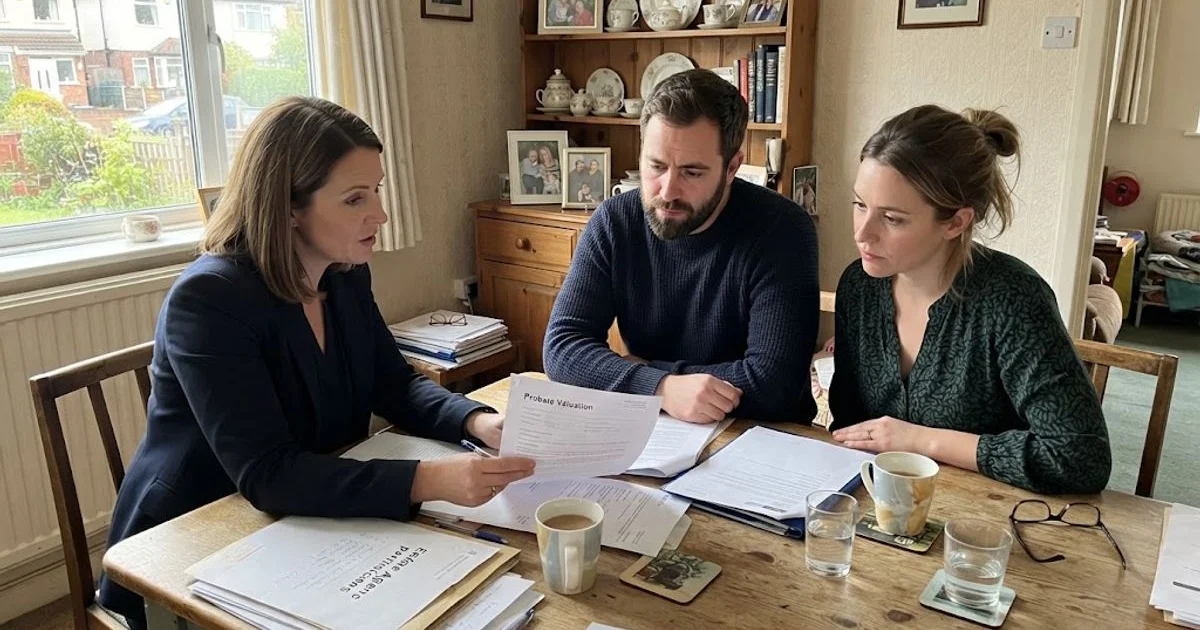
Selling a property you have inherited is rarely just a property transaction. It usually comes during a difficult time, often involves other family members, and carries legal steps that a standard home sale does not. Here is what the process generally involves.
Getting probate sorted first
Before you can legally complete a sale, you typically need probate, or letters of administration if there was no will, confirming your authority to act as executor and deal with the estate’s assets, including the property. You can usually start the process of getting a valuation and instructing an agent before probate comes through, but completion will need to wait until it is granted.
Probate itself can take a matter of weeks or several months, depending on the complexity of the estate and how quickly information can be gathered. It helps to let your estate agent and any prospective buyer know upfront that the sale is subject to probate being granted, since a buyer who understands the timeline in advance is far less likely to grow frustrated or walk away if there is a wait.
Valuing the property
An estate agent can provide a market valuation, and this is also often needed for probate purposes to establish the estate’s value for Inheritance Tax calculations. It is worth getting more than one valuation, partly to sense-check the figure and partly because executors have a duty to get a fair price for the estate on behalf of all beneficiaries.
| Step | What it involves | Typical order |
|---|---|---|
| Grant of probate | Legal authority to act for the estate | Usually needed before completion |
| Property valuation | Market appraisal, often for tax purposes too | Can happen alongside probate application |
| Clearing the property | Removing belongings, deciding what to keep | Before or during marketing |
| Marketing and sale | Listing, viewings, accepting an offer | Can start before probate completes |
| Legal completion | Funds transfer, estate proceeds distributed | After probate is granted |
Dealing with multiple beneficiaries
When a property is inherited jointly, every beneficiary usually needs to agree on the decision to sell, the asking price, and accepting an offer. Disagreements are common, particularly if some beneficiaries want to sell quickly and others feel attached to the property. Being upfront and keeping everyone informed at each stage tends to reduce friction, even when opinions differ.
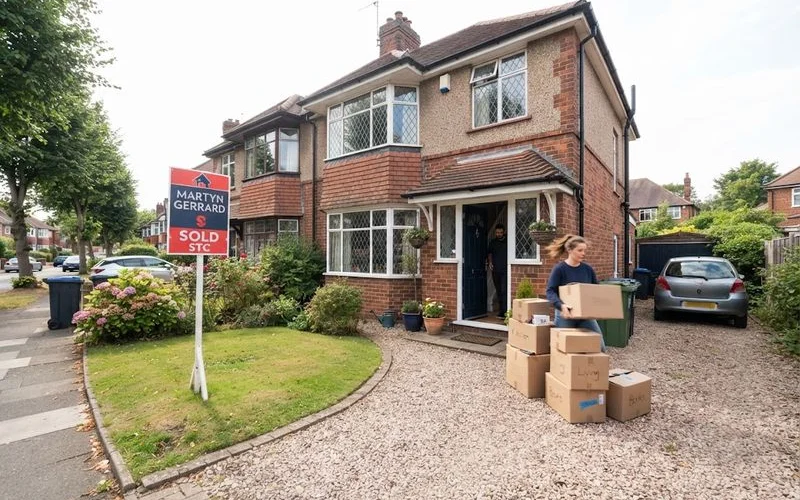
Clearing and presenting the property
Most executors find it easier to sell once the property has been cleared of personal belongings, both because it is simpler for buyers to view and because any repairs or maintenance needs become clearer. There is no obligation to fully renovate before selling; a clean, tidy, empty property is usually enough for marketing purposes.
Tax considerations
Inheritance Tax is generally dealt with as part of the probate process, and there may also be Capital Gains Tax implications if the property’s value rises between the date of death and the date of sale. These calculations depend on the specific estate, so this is general information only.
Deciding whether to sell or keep the property
Not every family chooses to sell straight away. Some executors and beneficiaries decide to let the property out for a period instead, particularly if the market feels weak or there is no urgency to release funds immediately. This comes with its own responsibilities, including landlord obligations and ongoing maintenance, so it is worth weighing the practicalities honestly against simply selling and settling the estate. If the property belonged to an older relative who was already planning to move rather than one you are now settling as an estate, our guide to downsizing in Birmingham covers that process instead.
Working with the right agent
Not every estate agent has experience with probate sales, and it genuinely helps to work with one who does. They will understand the paperwork involved, be patient with a timeline that may be less predictable than a standard sale, and know how to communicate sensitively with a family going through bereavement while also managing the practicalities of a transaction.
This is a genuinely difficult process to go through, and the legal and tax position depends heavily on the specific estate, so treat this as general guidance rather than legal or tax advice; a probate solicitor or accountant can confirm what applies in your situation.
For help finding an agent experienced with probate sales, see our scoring method, or start from our homepage to browse agents across Birmingham.
Common questions
- Can I sell a house before probate is granted?
- You can market the property and accept offers, but you generally cannot legally complete the sale until probate, or letters of administration, has been granted, since that confirms your legal authority to sell.
- Do I need to pay Inheritance Tax before selling the house?
- Any Inheritance Tax due is normally calculated and often paid as part of the probate process, separate from the house sale itself, though the two are often timed close together. An accountant or solicitor can confirm what applies to the specific estate.
- What if the beneficiaries disagree about selling?
- This is common and worth resolving early through open conversation, since ongoing disagreement can delay the sale significantly and add unnecessary stress during an already difficult time.
- Does an inherited property need to be empty before it is marketed?
- Not necessarily, though most executors find it easier to market and value a property once it has been cleared, since buyers can see the space clearly and any repairs needed become more obvious.