Legal checklist for first-time landlords in Birmingham
By Omar Novak · Updated 2026-07-28
Letting out a property for the first time comes with more legal obligations than most new landlords expect. None of them are especially complicated on their own, but missing one can be expensive, so it helps to work through them in order.
Check whether you need a licence
Not every rented property needs a licence, but many do. A house in multiple occupation, generally a property let to three or more unrelated tenants sharing facilities, typically needs an HMO licence. Separately, parts of Birmingham operate selective licensing, which can apply to ordinary single-let properties in designated areas regardless of whether they are an HMO. Always check the specific address with the council before you advertise, since licensing is set at a local level and requirements vary street by street.
Protect the deposit correctly
Any deposit you take must go into a government-approved tenancy deposit protection scheme within 30 days of receipt, and you need to give the tenant details of which scheme holds it, along with the reasons you might make deductions. Skipping this step can cause real problems later if you ever need to serve notice, since it can restrict your ability to use a Section 21 notice.
Get the paperwork right at the start
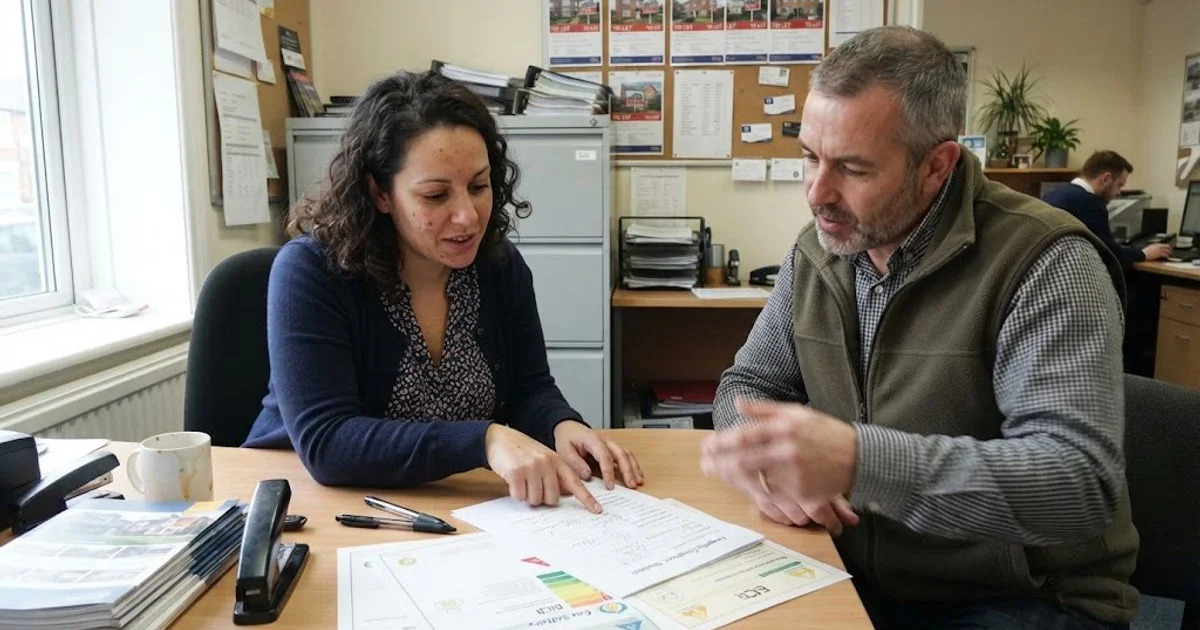
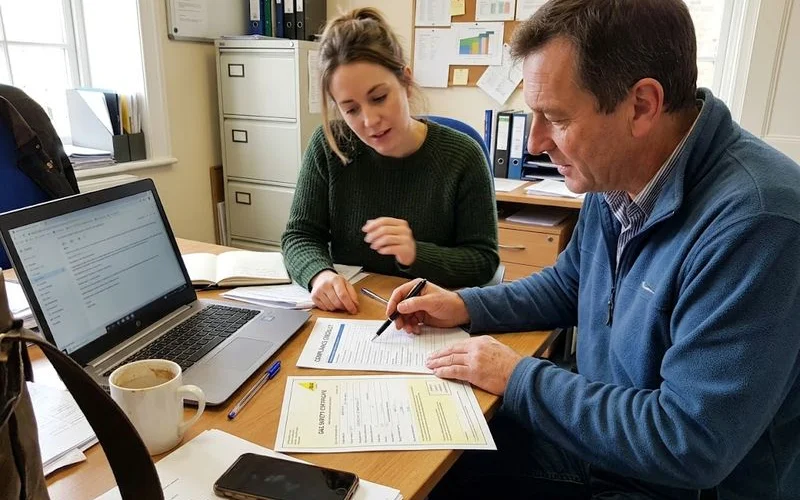
Most private lets in England use an assured shorthold tenancy agreement. Alongside the tenancy agreement itself, tenants must legally receive an Energy Performance Certificate, a current gas safety certificate if applicable, and the government’s “How to Rent” guide before they move in.
Keep dated proof that you handed over each of these documents, whether that is an email trail or a signed acknowledgement. It sounds like a formality, but it matters if you ever need to serve notice, since missing documentation at the start of a tenancy can affect your ability to use certain routes to regain possession later.
Right-to-rent checks
Before a tenancy starts, landlords in England are legally required to check that a prospective tenant has the right to rent a property, usually by checking original identity and immigration documents or using an approved digital checking service. This applies to every adult occupant, not just the person named on the tenancy agreement, and it needs to happen before move-in, not afterwards.
| Requirement | Applies to | Typical frequency |
|---|---|---|
| Gas safety check | Any property with gas appliances | Annual |
| Energy Performance Certificate | All rented properties | Valid for 10 years |
| Deposit protection | Any deposit taken | Within 30 days of receipt |
| Smoke alarms | Every floor with a living space | Checked at start of tenancy, then regularly |
| HMO / selective licence | Depends on property and area | Check before letting |
Keep the property safe
Working smoke alarms on every floor are a legal minimum, and carbon monoxide alarms are required in rooms with solid fuel appliances. If you use a letting agent, ask them directly whether they hold client money protection, which covers your rent and deposit money if the agency fails financially, and whether they belong to a property redress scheme that lets you escalate a complaint if things go wrong.
Know how to end a tenancy properly
If you ever need to regain possession, the route depends on the circumstances. A Section 21 notice is the standard “no fault” route once a fixed term ends, while a Section 8 notice is used where there are specific grounds, such as rent arrears, and can be served during a fixed term.
Letting law changes fairly often and enforcement varies by council, so this is general guidance rather than legal advice; if in doubt, check current requirements with Birmingham City Council or a solicitor who specialises in landlord and tenant law before you let the property.
Working through this list before your first letting agent starts marketing the property will save you from having to fix compliance gaps after a tenant has already moved in. For the wider picture of what happens from listing to move-in day, see our guide on what to expect when you rent out your first property in Birmingham. For background on how we assess agents, see our scoring method, and start from our homepage if you want to compare lettings agents across Birmingham first.
Common questions
- Do I need a licence to rent out my property in Birmingham?
- It depends on the property and area. Houses in multiple occupation usually need an HMO licence, and parts of Birmingham operate selective licensing schemes covering ordinary rented homes too. Check with the council for the specific address.
- What do I have to do with a tenant's deposit?
- It must be placed in a government-approved tenancy deposit protection scheme within 30 days of receiving it, and you must give the tenant prescribed information about where it is held.
- What safety checks are landlords legally required to carry out?
- At minimum, an annual gas safety check by a Gas Safe registered engineer if the property has gas appliances, a valid Energy Performance Certificate, and working smoke alarms on each floor.
- What happens if I let a property without the right licence?
- Local authorities can issue fines and, in some cases, tenants can apply to reclaim rent paid during an unlicensed period. It is worth checking licensing requirements before you advertise, not after.
Related on this site
- Browse lettings & property management providers
- What to expect when you rent out your first property in Birmingham
- Letting agent and property management fees in Birmingham explained
- Buy-to-let for first-time landlords in Birmingham: what to know before you invest
- Freehold, leasehold and shared ownership in Birmingham: which is right for you
- All guides →