Downsizing in Birmingham: a guide for older homeowners and their families
By Omar Novak · Updated 2026-09-09
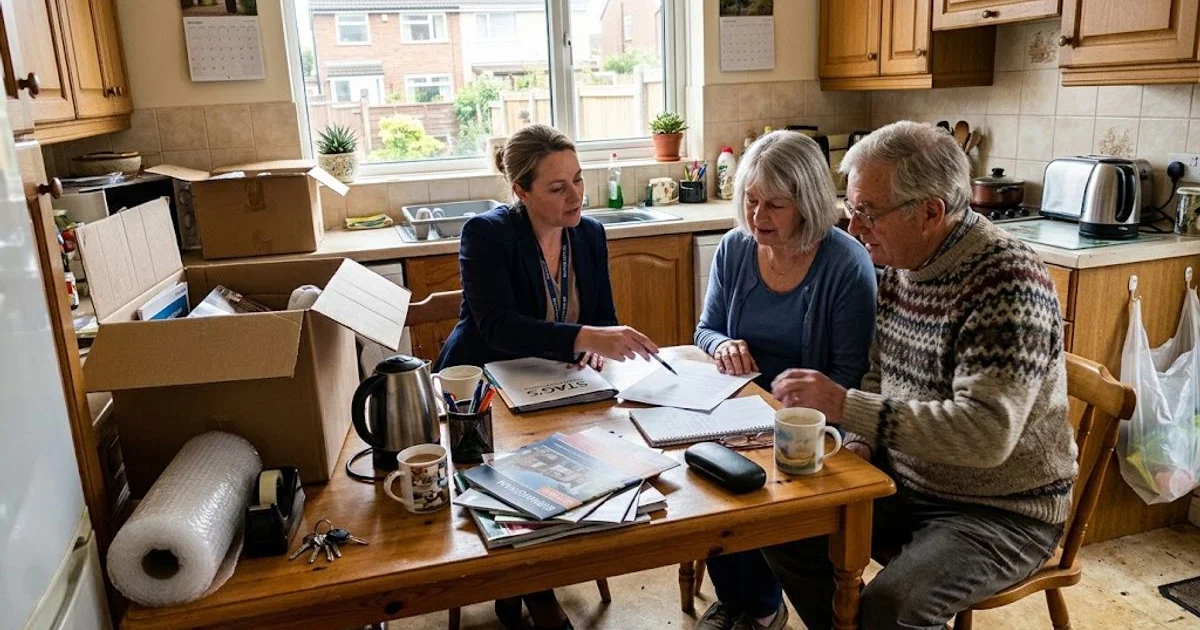
Downsizing is rarely just about square footage. For many older homeowners, it means leaving a home full of memories, and for their families, it often means balancing genuine care with respecting an independent decision. Here is how to approach it practically.
Recognising when it might be time
Common signs it is worth considering include a garden or number of rooms that have become hard to maintain, stairs becoming more difficult, rising running costs on a larger property, or simply wanting to release equity to support retirement or help family. None of these on their own mean a move is necessary, but together they are often what starts the conversation.
Starting the conversation as a family
If you are a family member raising the topic, timing and tone matter. Framing it as an open conversation about options, rather than a decision that has already been made, tends to go far better than presenting downsizing as something that needs to happen. Older homeowners often feel more comfortable moving forward once they feel genuinely in control of the decision and the pace.
| Consideration | Why it matters |
|---|---|
| Timing | Starting early avoids rushed decisions under pressure |
| Location | Staying near existing community and support networks often matters as much as the property itself |
| Property type | A smaller house, bungalow or flat each suit different needs |
| Accessibility | Stairs, bathroom layout and step-free access become more important over time |
Choosing the right type of home
Downsizing does not have to mean a smaller version of the same thing. Bungalows and ground-floor flats remove stairs entirely, while some developments are specifically designed with older residents in mind, offering features like level access and on-site support. What matters most is finding somewhere that genuinely suits day-to-day needs, not simply a smaller square footage.
Staying close to the existing area is often just as important as the property itself. Familiar shops, a GP surgery, and nearby friends or family provide a sense of continuity that can make a move feel far less disruptive, even when the home itself changes considerably. It is worth weighing this against a move further afield purely for a lower price or a bigger garden.
The financial side
Downsizing often releases equity, since a smaller or less expensive property typically costs less than the family home being sold. This can support retirement income, help pay for care, or free up funds to pass on to family, but it is worth thinking through carefully rather than assuming the numbers will simply work out. Moving costs, stamp duty on the new property, and any adaptations needed in the new home all reduce the amount actually released.

Sorting belongings
Clearing decades of belongings from a family home is one of the most emotionally and physically demanding parts of downsizing, and it consistently takes longer than people expect. Starting early, well before the property goes on the market, and involving family members to share the load, tends to make the process far more manageable than leaving it until the last few weeks. If you are sorting a home after losing a family member rather than planning a move, our guide to selling an inherited property in Birmingham covers the practical and legal steps for executors.
Working with an estate agent
A local estate agent experienced with this kind of move can be genuinely helpful, particularly one who is patient with viewings and understands that the timeline may need more flexibility than a typical sale. It is reasonable to say upfront that you are downsizing and want an agent who will take the time to get it right, rather than rush the process. Our step-by-step guide to selling a house in Birmingham walks through each stage from valuation to completion if you want to see what to expect.
Every family’s situation is different, and financial decisions around downsizing, including any impact on benefits or care funding, can be complex, so this is general guidance rather than financial or legal advice; a financial adviser can help think through the specifics.
Above all, try to keep the pace led by the person actually moving. A rushed downsizing decision made under family pressure tends to be remembered far less fondly than one taken in the homeowner’s own time, even if it takes a little longer to reach the same outcome.
Our scoring method explains how we rank agents on patience and communication, and our homepage tracks current agent activity across Birmingham.
Common questions
- When is a good time to start thinking about downsizing?
- There is no fixed right time. Common triggers include a home feeling too large or hard to maintain, rising running costs, or wanting to release some of the equity built up over the years. Starting the conversation early, before it becomes urgent, tends to lead to a smoother decision.
- How much should family members be involved in the decision?
- Support and practical help are usually welcome, but the decision to downsize, and where to move to, should stay with the homeowner wherever possible. Involving them fully in viewings and choices helps the move feel like their decision rather than something done to them.
- Does downsizing always mean moving to a smaller house?
- Often, but not always. Some people downsize into a smaller house, others move into a flat, bungalow, or retirement-specific development. What matters most is that the new home genuinely suits their needs, not just its size.
- What should be sorted out before putting the current home on the market?
- Clearing and sorting belongings takes longer than most people expect, so starting this process well before listing the property, ideally with support from family, tends to reduce stress considerably.
Related on this site
- Browse residential sales providers
- Selling a house in Birmingham: the process from valuation to completion
- What it costs to sell a house in Birmingham
- Stuck in a property chain: what buyers and sellers in Birmingham can do next
- Selling an inherited property in Birmingham: a practical guide for executors
- All guides →