Selling a house in Birmingham: the process from valuation to completion
By Omar Novak · Updated 2026-07-10
Selling a house is one of those things most people do a handful of times in their life, which is exactly why the process can feel opaque the first time around. Here is what actually happens, in order, from the first phone call to the day you hand over the keys.
Getting a valuation
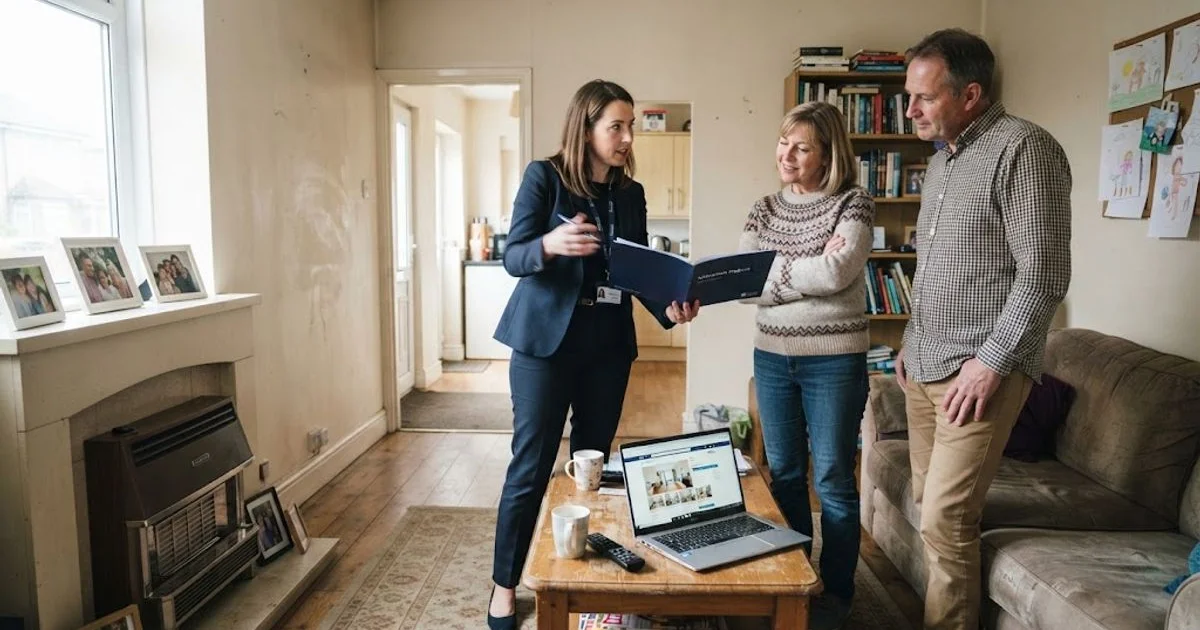
Most sellers start by inviting two or three local agents out to value the property. A good valuation visit should take 30 to 45 minutes and end with a written estimate, not just a verbal number. Ask each agent how they arrived at their figure and whether they have sold similar properties nearby recently. Be wary of the agent who quotes the highest price just to win your instruction; an unrealistic asking price is one of the most common reasons a sale drags on for months without an offer.
Once you have chosen an agent, you will sign a contract setting out the fee, the length of the agreement (sole agency terms typically run 8 to 12 weeks), and the marketing that is included, such as photography and floorplans. Read the small print on the tie-in period before you sign: if you are unhappy with an agent’s service, you may be locked into paying their fee for a set period even if you switch to someone else during that window.
It is worth preparing the property before the first viewing rather than the first offer. Small, cheap fixes, a fresh coat of paint on scuffed walls, tidying the garden, clearing clutter from rooms, tend to make a bigger difference to how quickly a property sells than most sellers expect. None of this needs to be expensive; presentable and well-lit photographs do more work than a full renovation.
Marketing and viewings
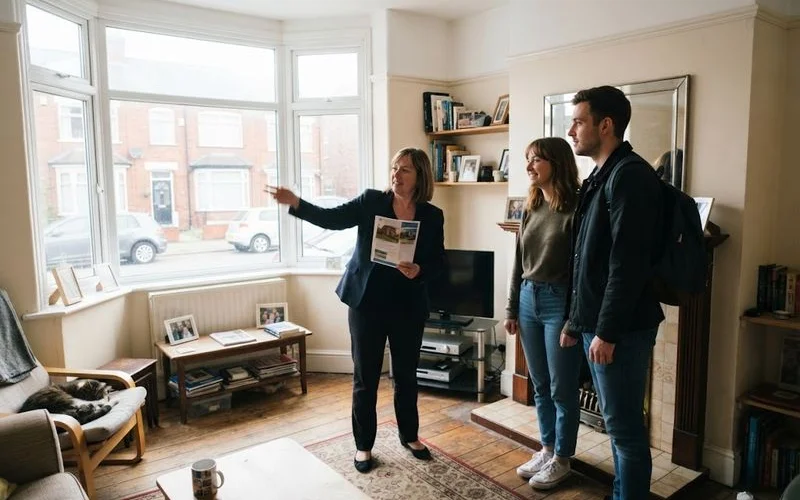
Your agent will list the property on the major portals, arrange photography, and start booking viewings. In Birmingham’s current market, well-priced properties in popular postcodes can attract an offer within two to four weeks; properties priced ambitiously or with unusual layouts can sit for considerably longer.
Feedback from early viewings is worth paying attention to. If several viewers raise the same concern, whether that is the price, the decor, or something about the layout, it is a useful early signal rather than something to dismiss. Agents who pass on honest feedback, even when it is not flattering, tend to be more useful long term than ones who only tell you what you want to hear.
Accepting an offer
When an offer comes in, your agent should verify the buyer’s position before you accept: are they a cash buyer, do they have a mortgage agreement in principle, and are they in a chain of their own. A slightly lower offer from a chain-free, mortgage-ready buyer is often a safer bet than a higher offer from someone who has not even sold their own home yet.
| Buyer type | Typical speed | Main risk |
|---|---|---|
| Cash buyer, no chain | Fastest | Rare, so may negotiate harder on price |
| First-time buyer, mortgage agreed | Fast to moderate | Mortgage valuation can come in low |
| Buyer in an active chain | Moderate | Delay or collapse further up the chain |
| Buyer yet to sell their own home | Slowest | May fall through before their sale completes |
Conveyancing and searches
Once you accept an offer, you instruct a solicitor or licensed conveyancer to handle the legal side: drawing up the contract, answering the buyer’s enquiries, and dealing with local authority searches. This stage is usually the slowest part of the whole process and where most delays happen, particularly if there is a long chain above or below you.
Instructing your solicitor as early as possible, ideally as soon as you accept an offer rather than waiting for the buyer to chase you, tends to shave real time off this stage. Have your paperwork ready in advance where you can: proof of identity, mortgage details if you have one, and any guarantees or certificates for work done on the property, such as an extension or a new boiler.
Surveys and renegotiation
Most buyers arrange a survey once their offer is accepted, separate from any valuation their mortgage lender carries out. If the survey uncovers an issue, from damp to a structural concern, it is common for the buyer to come back and ask for a price reduction or for you to fix the issue before completion. How you respond depends on the severity of the finding and how motivated you are to keep the sale moving, but going in expecting some renegotiation on most sales avoids being caught off guard.
Exchange and completion
When both sides are ready, contracts are exchanged and a completion date is fixed, usually one to four weeks later. On completion day, the buyer’s funds transfer, you hand over the keys, and the sale is legally finished. If you are also buying, your solicitor coordinates the timing of both transactions so they complete on the same day.
Selling a house involves genuine money and legal commitments, so treat any figures or deadlines here as general guidance rather than advice for your specific transaction; a conveyancer can confirm what applies to your sale.
If you want a feel for how local agents compare on communication and track record before you invite anyone round, the scoring method explains how we rank agents in Birmingham using recent review data. And if you are still deciding whether it is the right time to sell at all, our homepage has current sale and lettings data across the city to help you weigh it up.
Common questions
- How long does it take to sell a house in Birmingham?
- From instructing an agent to completion, most sales take three to six months. Finding a buyer can happen in weeks if the price is right, but conveyancing and chain coordination usually take the longest.
- Do I need a solicitor before I get a valuation?
- No, but it helps to have one lined up before you accept an offer, since delays in appointing a conveyancer are a common reason sales stall early on.
- Can I sell without using an estate agent?
- Yes, some sellers list privately or through an online-only agent, but you take on the marketing, viewings and negotiation yourself. Most sellers in Birmingham still use a local agent for that reason.
- What happens if my buyer pulls out?
- The property goes back on the market. It is disappointing but not unusual, and having your paperwork and searches already done can help you find a new buyer faster.
Related on this site
- Browse residential sales providers
- What it costs to sell a house in Birmingham
- Stuck in a property chain: what buyers and sellers in Birmingham can do next
- Downsizing in Birmingham: a guide for older homeowners and their families
- What to expect when you rent out your first property in Birmingham
- All guides →