What to expect when you rent out your first property in Birmingham
By Omar Novak · Updated 2026-08-02
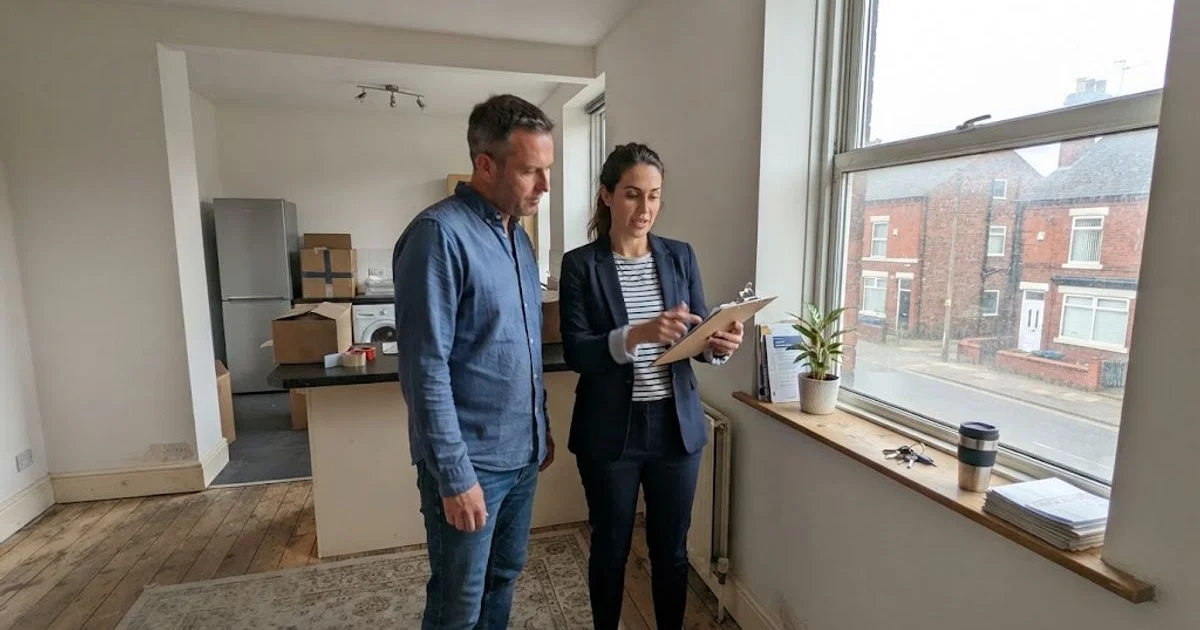
Letting out a property for the first time involves more moving parts than most new landlords expect, but the process follows a fairly predictable order.
Deciding how much to charge
Start by looking at comparable properties currently advertised nearby, matched on size, condition and location. Pricing slightly too high is a common mistake: it can leave a property empty for weeks while you wait for the right tenant, which usually costs more in lost rent than pricing realistically from day one.
Condition and presentation affect demand more than many first-time landlords expect. A clean, freshly decorated property with good photographs tends to attract stronger tenants and let faster than one marketed as-is, even at the same rent. It does not need to be expensively renovated; small things like a fresh coat of paint and a genuinely clean kitchen and bathroom go a long way.
Choosing between a letting agent and self-management
A letting agent can handle marketing, viewings, referencing and, if you want it, ongoing management for a monthly fee. Self-managing saves that cost but means you take the calls when something breaks, and you need to know your legal obligations well enough to stay compliant without someone checking behind you. Many first-time landlords start with a managed service and move to self-management later once they are more confident.
| Approach | You handle | Agent handles | Typical cost |
|---|---|---|---|
| Full management | Almost nothing day-to-day | Marketing, viewings, referencing, repairs, compliance | Ongoing monthly percentage of rent |
| Let-only | Rent collection, repairs, compliance | Marketing, viewings, referencing | One-off fee at let start |
| Self-managed | Everything | Nothing | No agent fee, but your time |
Referencing and right-to-rent checks
Before a tenancy starts, prospective tenants should be referenced for affordability and rental history, and every landlord in England is legally required to carry out a right-to-rent check confirming the tenant’s immigration status allows them to rent. Skipping this is not worth the risk, even under time pressure to fill a vacancy.

Move-in day
Before the tenant collects the keys, you will need a signed tenancy agreement, an inventory documenting the property’s condition, proof the deposit is protected, and the required paperwork such as a current gas safety certificate and Energy Performance Certificate. A thorough inventory with photos protects both you and the tenant if there is a dispute over the deposit later.
The first few months
Early on, expect the occasional maintenance call as a new tenant settles in and finds anything that needs attention. Responding promptly builds trust and tends to reduce how often small issues escalate into bigger complaints. Keep records of any repairs and communications, which matters if a dispute ever needs resolving formally.
Landlord insurance
Standard home insurance is generally not designed for a rented property and can leave you without cover if a claim arises. Landlord insurance typically covers buildings and, optionally, contents you provide, along with things like loss of rent if the property becomes uninhabitable, and liability cover if a tenant or visitor is injured on the property. Most buy-to-let mortgage lenders require appropriate landlord insurance as a condition of the loan, so it is worth arranging before the tenancy starts rather than treating it as optional.
What often catches first-time landlords out
A few things trip up new landlords more often than most: forgetting that a deposit must be protected within 30 days, assuming a tenant will treat the property the same way an owner-occupier would, and underestimating how much time referencing and paperwork take before move-in. None of these are difficult to avoid once you know to expect them, which is really the point of planning the first letting carefully rather than rushing to fill the property.
This guide covers the general shape of the process; specific legal obligations depend on your property type and location, so it is worth confirming current requirements before your first tenancy starts.
If you are still deciding whether to use an agent, our scoring method explains how we rank lettings agents on responsiveness and landlord outcomes, and you can browse current listings from our homepage.
Common questions
- How long does it take to find a tenant in Birmingham?
- A well-priced property in good condition can attract a tenant within one to two weeks. Properties that are overpriced, poorly presented, or in less popular areas can take considerably longer.
- Should I use a letting agent or manage the property myself?
- A letting agent handles marketing, referencing, and often ongoing management for a fee, while self-managing saves that fee but requires your own time for viewings, repairs and tenant communication. Many first-time landlords start with an agent and reassess once they have more experience.
- What checks should be done on a prospective tenant?
- References, proof of income, a right-to-rent check, and often a credit check. A letting agent will usually run these as part of their service.
- Do I need landlord insurance separate from buildings insurance?
- Standard home insurance typically does not cover a rented property. Specific landlord insurance covers things like loss of rent and liability, and most mortgage lenders on a buy-to-let require it.
Related on this site
- Browse lettings & property management providers
- Legal checklist for first-time landlords in Birmingham
- Letting agent and property management fees in Birmingham explained
- Buy-to-let for first-time landlords in Birmingham: what to know before you invest
- Selling a house in Birmingham: the process from valuation to completion
- All guides →